
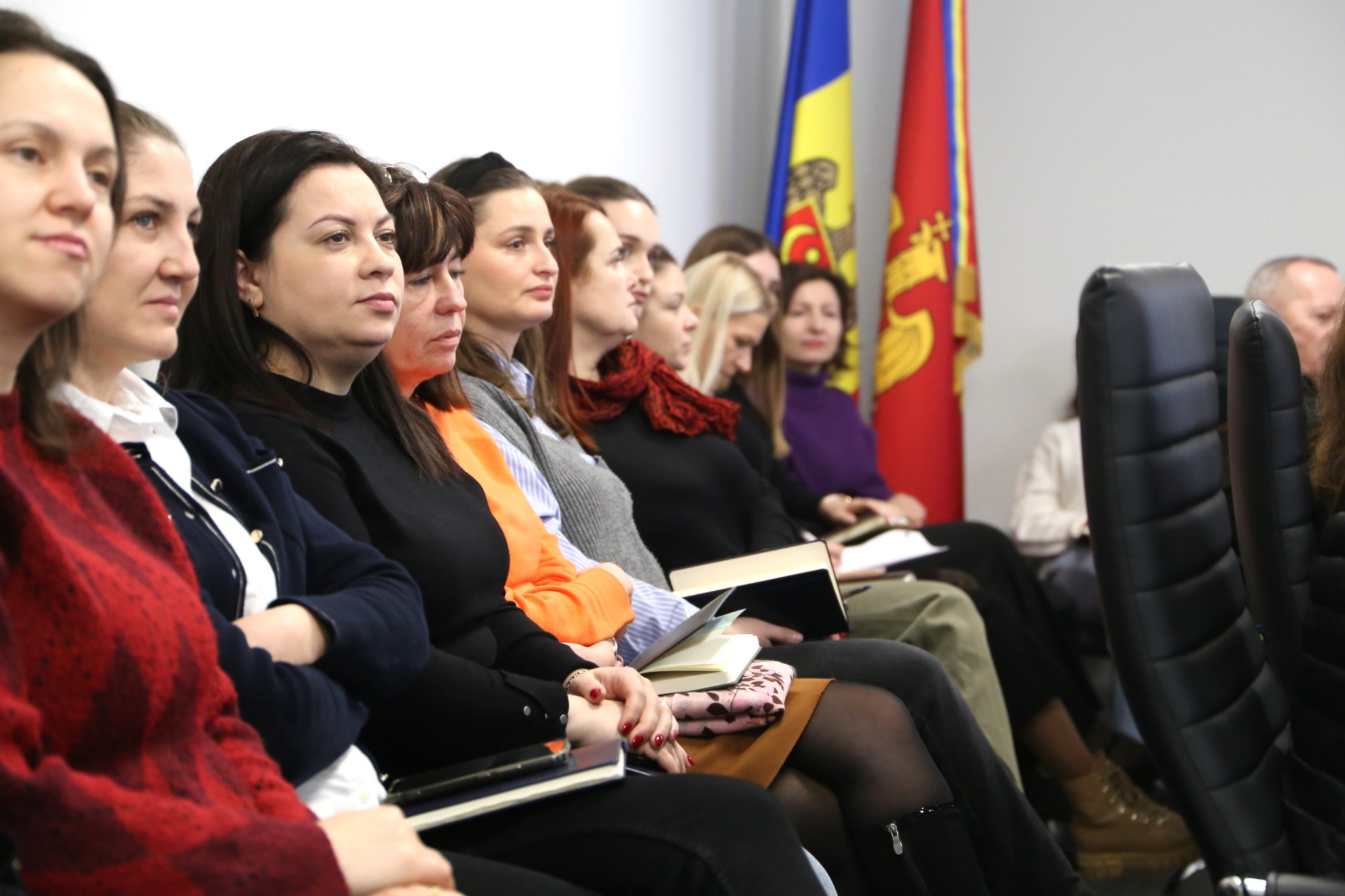
The Competition Council hosted, during 10 – 12 February 2026, two training sessions focusing on areas complementary to its institutional mandate: effective communication in the field of competition and the application of State aid rules to public undertakings. The activities were carried out within the framework of the Twinning project “Strengthening the institutional capacity of the Competition Council to enforce competition and State aid policy in line with EU best practices.”
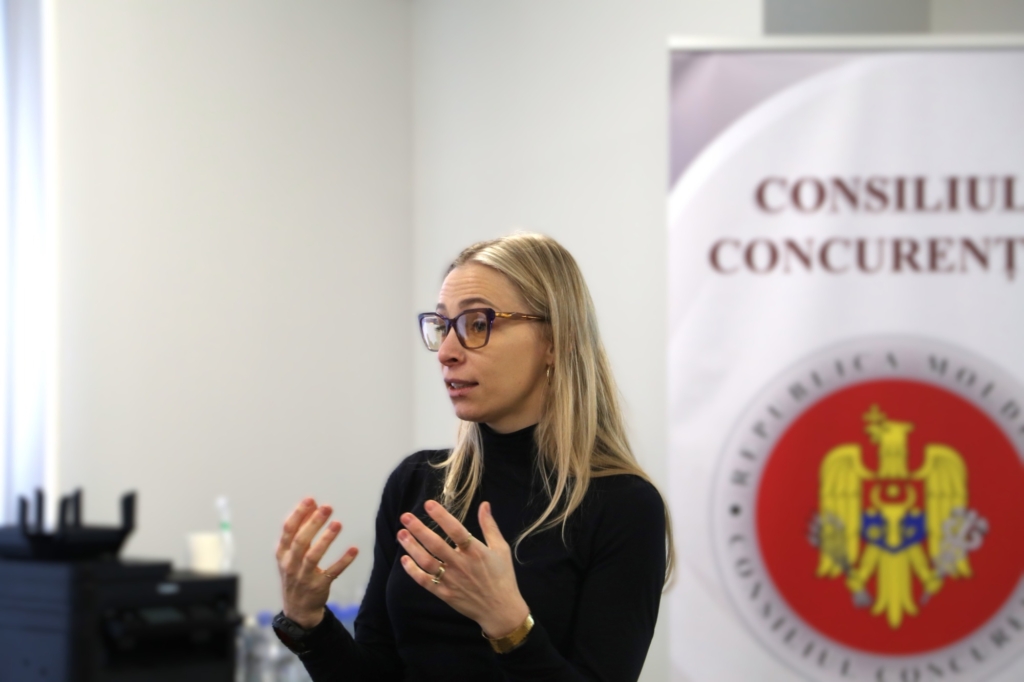
The first training session took place on 10 February 2026 and was dedicated to effective communication in the field of competition. The seminar was delivered by Martyna Derszniak, Director at the Office of Competition and Consumer Protection (UOKiK).
The discussions focused on how a competition authority can communicate clearly and accessibly with the general public, public authorities, the business community and the media regarding its mandate, decisions and the impact of competition policy on the economy and consumers. The expert emphasised the importance of explaining technical terms and concepts, avoiding legal jargon unless properly clarified, and tailoring messages to the specific audience addressed.
The session included practical examples from UOKiK’s activity, as well as an exchange of experience on strengthening institutional credibility through consistent and transparent communication.
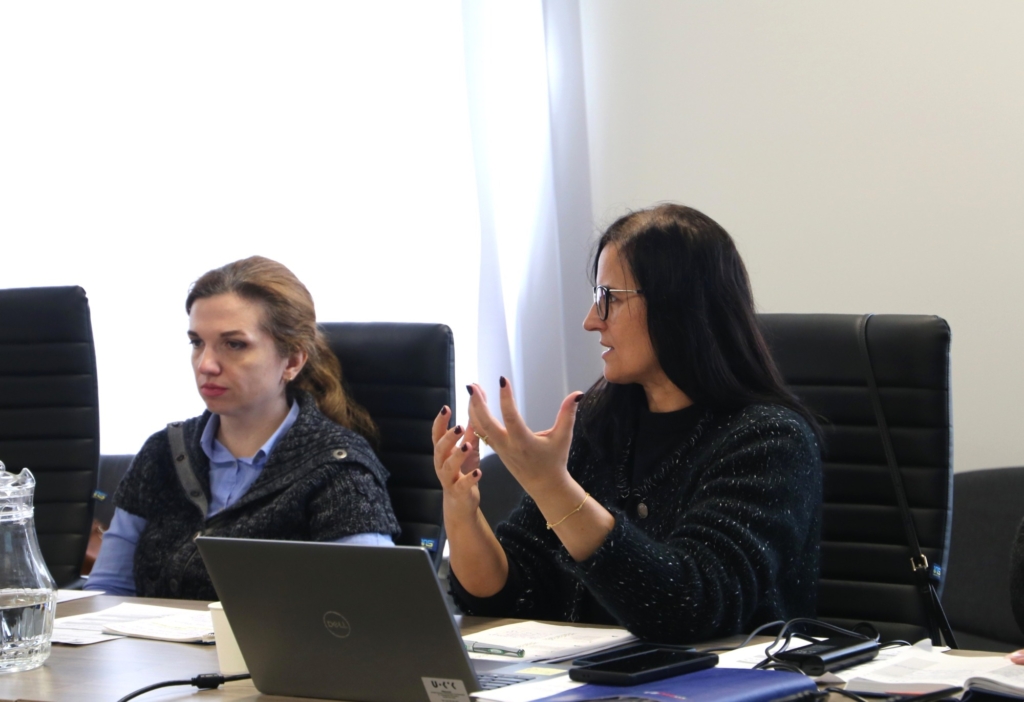
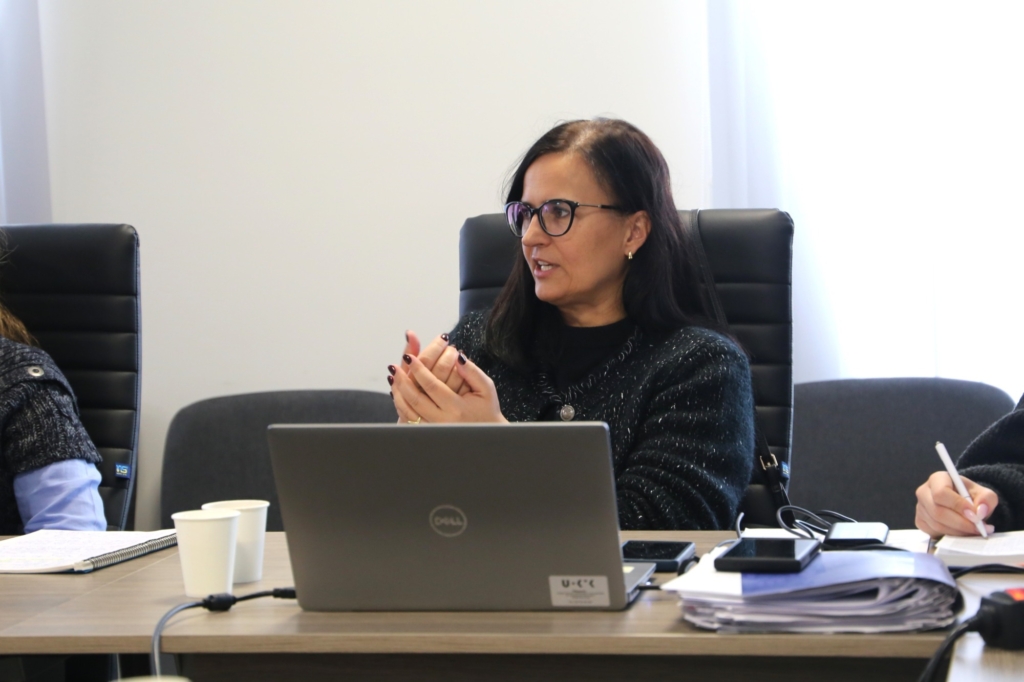
On 12 February 2026, a second training session followed, focusing on the application of State aid rules to public undertakings. The session was delivered by Patrycja Sobczak, Deputy Director of the State Aid Monitoring Department within the Office of Competition and Consumer Protection (UOKiK).
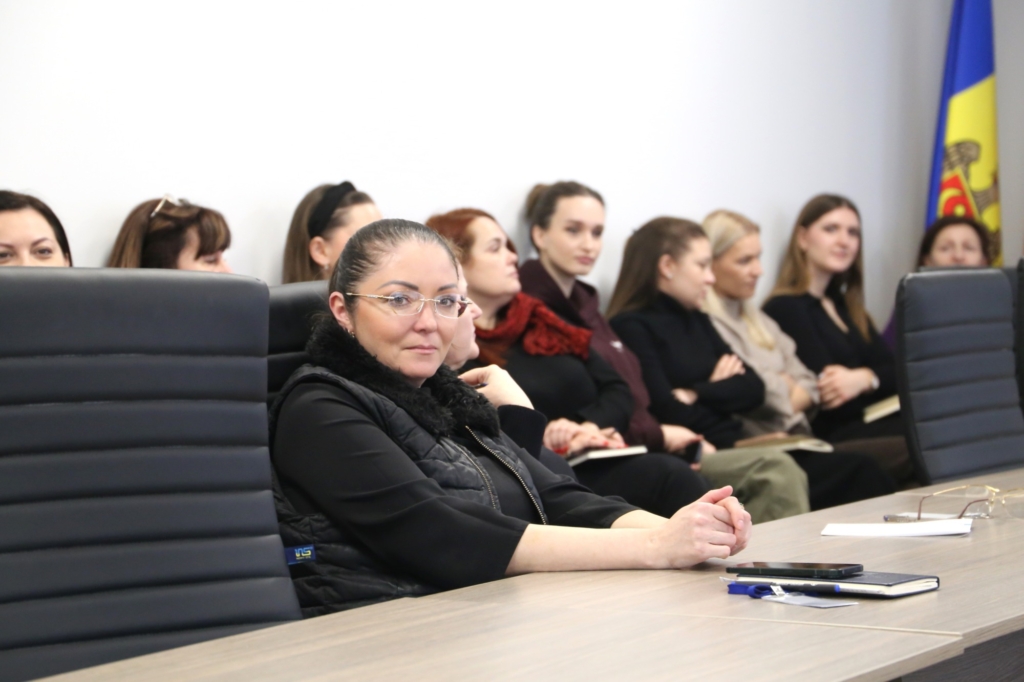
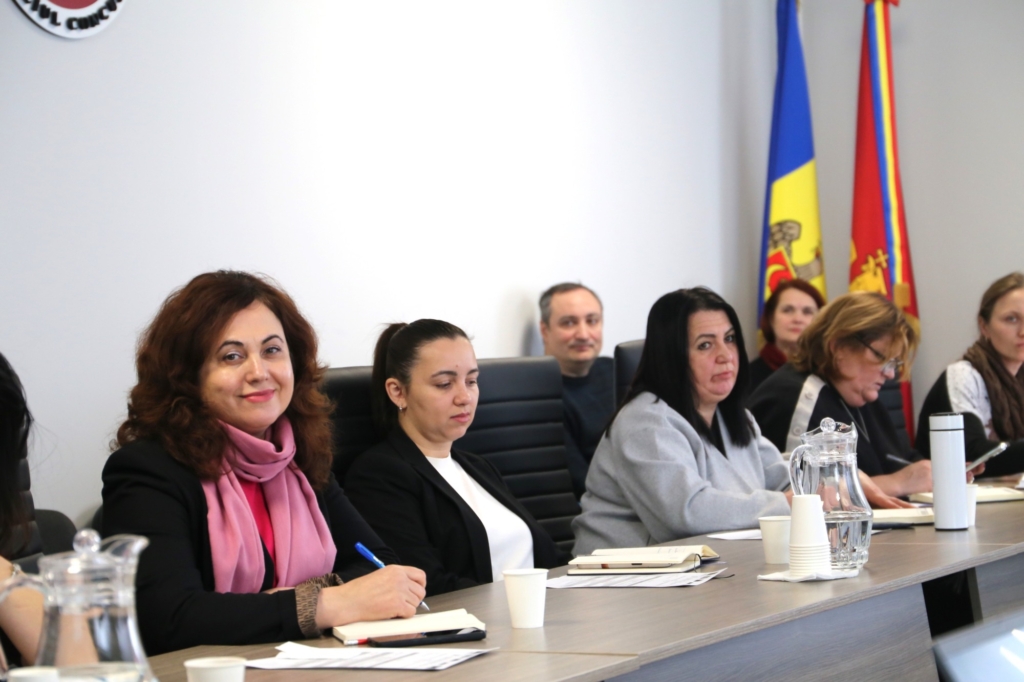
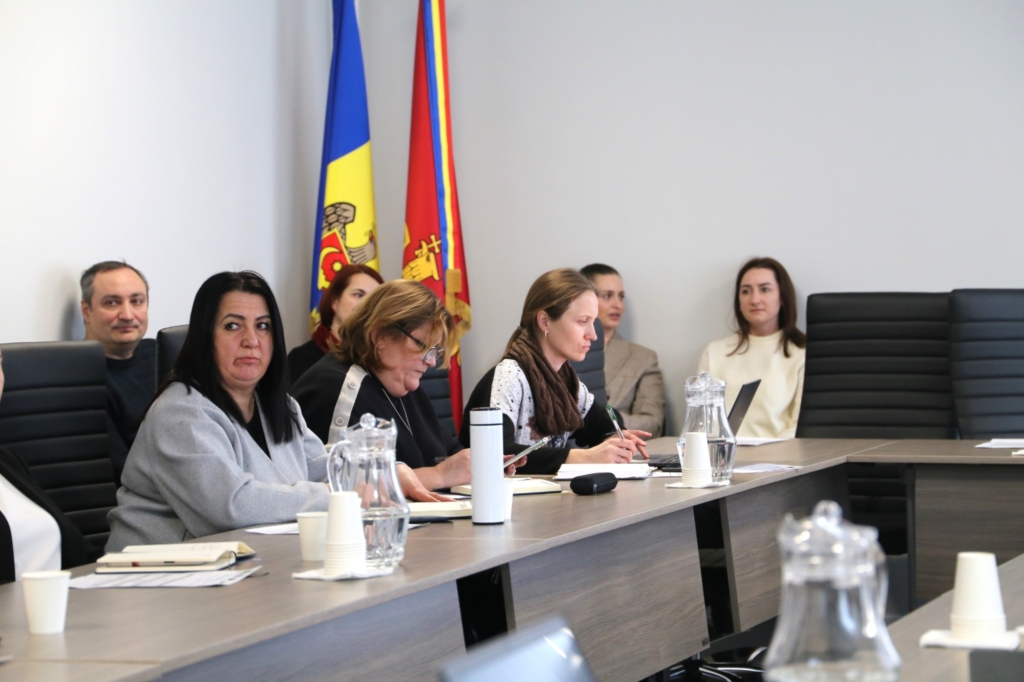
The training was attended by representatives of the Competition Council, as well as officials from the Ministry of Economic Development and Digitalisation, the Ministry of Finance, the Ministry of Agriculture and Food Industry, the Ministry of Infrastructure and Regional Development, the Agency for Intervention and Payments in Agriculture, and the Public Property Agency.
During the session, key elements of the European State aid legal framework were clarified, including the relevant criteria for establishing and granting support measures, as well as the principle of non-discrimination, according to which public undertakings are subject to the same rules as private undertakings, irrespective of whether they act as beneficiaries or as grantors of aid.
Practical aspects were also addressed, such as the distinction between economic and non-economic activities, the role of public authorities in designing support measures, transparency and reporting obligations, and the legal and financial risks associated with non-compliance.
The practical component included examples of instruments frequently used in relation to public undertakings, such as de minimis aid, measures exempted from notification (GBER-type exemptions), Services of General Economic Interest (SGEI) and rescue and restructuring aid.
The consequences of granting incompatible State aid were also highlighted, including the obligation to recover such aid together with the applicable interest.
The discussions were complemented by questions and an exchange of experience on the challenges related to the application of State aid rules and interinstitutional cooperation in this field.
The Twinning project “Strengthening the institutional capacity of the Competition Council to enforce competition and State aid policy in line with EU best practices” is funded by the European Union and implemented by Romania, Lithuania and Poland over a period of 27 months.

 This web page is made possible by the support of the American people through the United States Agency for International Development (USAID). The contents do not necessarily reflect the views of USAID or the United States Government.